Introduction
Contracts are at the center of every business relationship.Whether a company is hiring employees, working with suppliers, finalizing sales deals, or partnering with vendors, contracts play an important role in clearly defining responsibilities, timelines, pricing, and legal obligations. As businesses grow, managing hundreds or even thousands of contracts manually becomes increasingly difficult. Important deadlines can be missed, approvals may take longer than expected, and outdated agreements can create unnecessary business risks.
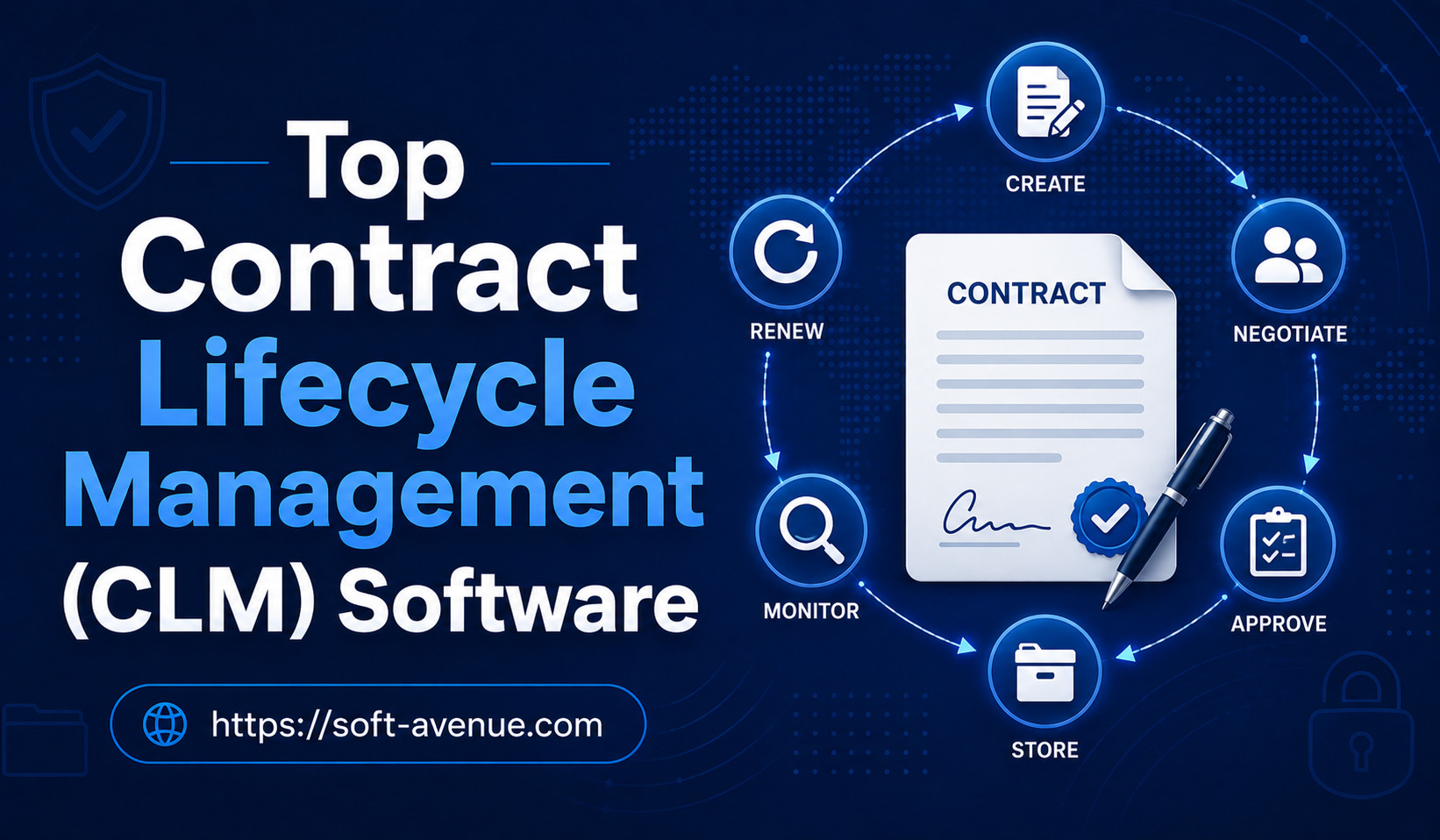
This is why Contract Lifecycle Management (CLM) software has become an essential business tool. Instead of storing contracts in email inboxes or shared folders, organizations can manage every stage of the contract lifecycle from a single platform. From drafting and reviewing to approvals, e-signatures, renewals, and compliance tracking, CLM software helps businesses stay organized while reducing manual work.
In 2026, artificial intelligence is making contract management even more efficient. Modern CLM platforms can automatically extract key clauses, identify potential risks, summarize lengthy agreements, send renewal reminders, and suggest contract language based on previous documents. These capabilities allow legal, procurement, sales, and finance teams to work faster while improving accuracy and compliance.
Why Businesses Need CLM Software
Many organizations still rely on spreadsheets, email chains, and shared drives to manage contracts. While this approach may work for a small number of agreements, it quickly becomes difficult as the business grows. Finding the latest contract version, tracking approval status, or remembering renewal dates often requires significant manual effort.
CLM software solves these challenges by centralizing contract management in one secure location.Every document, approval, revision, and signature is kept in one searchable system, so teams can quickly find the information they need without wasting time searching through files or emails. Automated workflows also reduce delays by routing contracts to the right stakeholders for review and approval.
For businesses working with multiple customers, vendors, or partners, this improved visibility helps reduce administrative work while ensuring contracts remain compliant with company policies and legal requirements.
Key Features to Look For
Although every CLM platform offers different capabilities, several features have become essential for modern contract management.
Important features include:
- Centralized contract storage with advanced search.
- Automated approval workflows and e-signatures.
- AI-powered contract analysis and clause extraction.
- Renewal reminders and compliance tracking.
- Integration with CRM, ERP, and document management systems.
Together, these features help businesses manage contracts more efficiently while reducing legal and operational risks.
Best Contract Lifecycle Management Software
Several CLM platforms have become industry leaders by combining automation, collaboration, and artificial intelligence.
DocuSign CLM is widely recognized for extending DocuSign’s electronic signature capabilities into complete contract lifecycle management. It enables businesses to automate contract creation, approvals, negotiations, and renewals while integrating with popular CRM and ERP platforms. Its AI-powered features also help organizations identify important clauses and reduce manual document review.
Ironclad become a preferred choice for fast-growing companies because of its intuitive interface and workflow automation. Legal teams can create standardized contract templates, automate approvals, and collaborate with multiple departments without relying on lengthy email exchanges. Its analytics tools also provide better visibility into contract performance and obligations.
Icertis Contract Intelligence is designed for enterprise organizations managing large volumes of contracts across multiple departments and countries. The platform uses artificial intelligence to analyze contracts, monitor compliance, and identify business risks while integrating with enterprise systems such as SAP and Salesforce.
Agiloft offers a highly customizable CLM solution suitable for businesses with unique workflow requirements. Organizations can configure approval processes, automate notifications, and generate reports without extensive software development, making it a flexible option for companies in various industries.
Comparison of Popular CLM Software
| Software | Best For | Key Strength |
| DocuSign CLM | Businesses of all sizes | Contract automation and e-signatures |
| Ironclad | Legal and sales teams | Easy workflow automation |
| Icertis | Large enterprises | AI-powered contract intelligence |
| Agiloft | Custom business workflows | Flexible no-code configuration |
| ContractWorks | Small and medium businesses | Simple contract management |
Each platform offers different strengths, so businesses should evaluate contract volume, workflow complexity, integration requirements, and compliance needs before selecting a solution.
AI Is Transforming Contract Management
Artificial intelligence is changing how organizations create, review, and manage contracts. Instead of reading lengthy agreements manually, legal teams can use AI to summarize documents, identify missing clauses, compare contract versions, and detect unusual terms within minutes.
AI also helps businesses reduce compliance risks by automatically monitoring renewal dates, tracking obligations, and flagging contracts that require attention. These capabilities allow legal professionals to spend less time on repetitive administrative tasks and more time supporting strategic business decisions.
As AI technology continues to evolve, contract management is becoming faster, more accurate, and more proactive than traditional manual processes.
Conclusion
Contract Lifecycle Management (CLM) software has become an important tool for organizations that want to manage contracts more efficiently and avoid the problems that often come with manual contract management. From drafting and reviewing agreements to approvals, renewals, and compliance tracking, CLM solutions bring the entire contract lifecycle into one organized platform. Instead of relying on emails, spreadsheets, shared folders, and manual reminders, businesses can use a centralized system to keep contracts accessible and easier to manage.
One of the biggest advantages of modern CLM software is the amount of time it can save. Routine tasks such as sending contracts for approval, tracking changes, setting reminders, and organizing documents can be automated. This allows legal, finance, procurement, sales, and other teams to spend less time on administrative work and more time focusing on important business activities.
Modern CLM platforms are also becoming smarter with the use of artificial intelligence. AI can help teams review large contracts, identify important clauses, highlight potential risks, extract key information, and provide useful insights from existing agreements. While human expertise is still essential for making important legal and business decisions, these AI-powered features can make the review process faster and help teams identify issues that might otherwise be missed.
Another major benefit is better visibility across the organization. When contracts are stored in a centralized system, authorized employees can quickly find the information they need instead of searching through multiple files or email conversations. Businesses can also monitor important dates, obligations, renewal periods, and contract performance more effectively. This improved visibility can help reduce missed deadlines, unexpected renewals, and compliance-related issues.
More CLM Platforms Worth Considering
As contract management becomes more digital, several additional CLM solutions are helping businesses simplify legal processes and improve collaboration across departments.
ContractWorks is a popular choice for small and medium-sized businesses that need a straightforward contract management solution without the complexity of enterprise platforms. It offers secure document storage, contract search, automated reminders, and user-friendly reporting, making it easy for organizations to stay on top of important deadlines and renewals.
Juro is designed for businesses that want to create, negotiate, approve, and sign contracts within a single browser-based platform. Its collaborative editing features reduce the need to exchange multiple document versions by email, allowing legal, sales, and HR teams to work together more efficiently.
Conga CLM is widely used by organizations that rely on Salesforce. It automates contract generation, approvals, negotiations, and compliance while integrating closely with customer relationship management workflows. This makes it especially useful for sales teams that handle a high volume of customer agreements.
These platforms demonstrate that businesses now have a wide range of options, from simple contract repositories for growing companies to enterprise-grade systems capable of managing thousands of agreements across global operations.
Benefits of Contract Lifecycle Management Software
Managing contracts through a dedicated platform offers advantages that extend beyond simply storing documents. Businesses gain greater visibility into every stage of the contract process, making it easier to monitor approvals, obligations, and renewal dates.
Some of the biggest benefits include:
- Faster contract creation and approval processes.
- Better visibility into contract status and deadlines.
- Reduced legal and compliance risks.
- Improved collaboration between departments.
- Secure storage with quick document search.
By automating routine tasks and keeping all contract information in one place, organizations can reduce delays, improve accuracy, and strengthen business relationships.
Challenges Businesses Should Consider
Although CLM software offers significant value, successful implementation requires planning and coordination. Existing contracts often need to be migrated from shared drives, email accounts, and paper files into the new system. Organizing these documents and ensuring accurate metadata can take time, especially for larger organizations.
Businesses also need to establish standardized workflows for drafting, reviewing, approving, and renewing contracts. Without clearly defined processes, automation cannot deliver its full benefits.
User adoption is another important factor. Legal, procurement, sales, finance, and HR teams should receive proper training to ensure they use the platform consistently. When everyone follows the same process, businesses gain better visibility and improve compliance across the organization.
Final Thoughts
Contract Lifecycle Management software has become an essential solution for organizations that want to simplify contract administration while reducing business risk. Instead of relying on spreadsheets, email threads, and manual approvals, companies can manage the entire contract lifecycle through one centralized platform.
Solutions such as DocuSign CLM, Ironclad, Icertis, Agiloft, ContractWorks, Juro, and Conga CLM each offer unique strengths. Some focus on ease of use for smaller businesses, while others provide enterprise-level automation, AI-powered analytics, and advanced compliance management.
The best CLM software depends on factors such as contract volume, business size, workflow complexity, integration requirements, and regulatory needs. Organizations that invest in the right platform can improve efficiency, strengthen compliance, accelerate approvals, and build a more streamlined contract management process for the future.
Frequently Asked Questions (FAQs)
1. What is Contract Lifecycle Management (CLM) software?
CLM software helps businesses manage every stage of a contract, including drafting, approvals, negotiations, electronic signatures, storage, renewals, and compliance, from a single platform.
2. Which CLM software is best for businesses?
Popular solutions include DocuSign CLM, Ironclad, Icertis, Agiloft, ContractWorks, Juro, and Conga CLM. The best option depends on your organization’s size, contract volume, and workflow requirements.
3. How does AI improve contract management?
AI can summarize contracts, extract key clauses, identify risks, compare document versions, monitor renewal dates, and recommend contract language, reducing manual work and improving accuracy.
4. Can CLM software integrate with other business systems?
Yes. Most modern CLM platforms integrate with CRM, ERP, HR, procurement, document management, and e-signature solutions to streamline business processes.
5. Is CLM software suitable for small businesses?
Yes. Many vendors offer scalable solutions with simple features that help small businesses organize contracts, automate reminders, and improve document management without unnecessary complexity.
6. What should businesses consider before choosing CLM software?
Businesses should evaluate ease of use, workflow automation, AI capabilities, security, compliance features, integration options, reporting tools, scalability, and total cost before selecting a Contract Lifecycle Management solution.
